
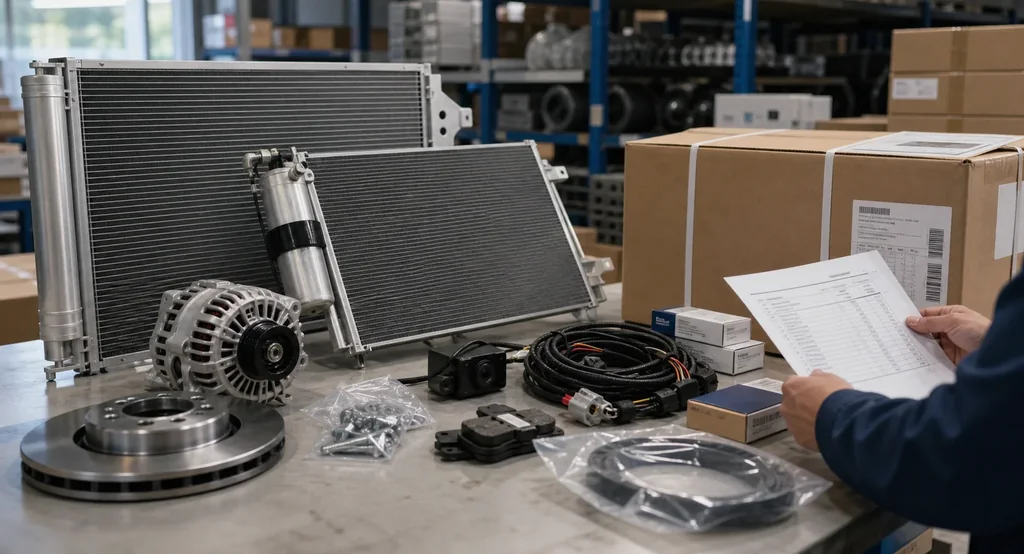
Recycled and aftermarket parts often look similar, but small fitment differences can create costly errors. A buyer may request a condenser, lamp, door module or suspension part by appearance, while the correct match depends on model year, trim, engine, market version or OEM reference.
Fitment data reduces back-and-forth
Using year, brand, model and part category together narrows the search before quotation. When the RFQ also includes the OEM number or a photo of the old part, the sourcing team can compare the request against catalog products and dismantled stock with much better accuracy.
Optional does not mean unimportant
On qisheng-auto, buyers can search by vehicle, part category or both. This keeps the workflow flexible for export buyers who may have a full fitment list, a single reference photo or only a category-level purchase plan.
Best RFQ practice
For repeat fleet maintenance orders, prepare a spreadsheet with year, brand, model, part name, OEM number, target quantity and destination. That simple structure helps turn a broad sourcing request into a quote-ready list.